Sensors & device connections
Connect microcontrollers, sensors, relays, meters and specialized devices.
What does this system help with?
IoT risks span devices, power, networks, data formats and alerts. Looking only at a dashboard misses problems that happen in the real world.
We test device connections, storage, offline status, reporting frequency and display so users can distinguish normal from abnormal readings and know what to do next.
Connect microcontrollers, sensors, relays, meters and specialized devices.
Collect periodic or event-based data and check timestamps, units and device status.
Define thresholds, owners and escalation priorities.
View current status, historical charts, events and comparisons.
Control devices with permissions, confirmed feedback and appropriate safeguards.
Link websites, apps or business systems to act on device data.
See how it works
New interface concepts to discuss the direction
Open the demonstration to explore the details
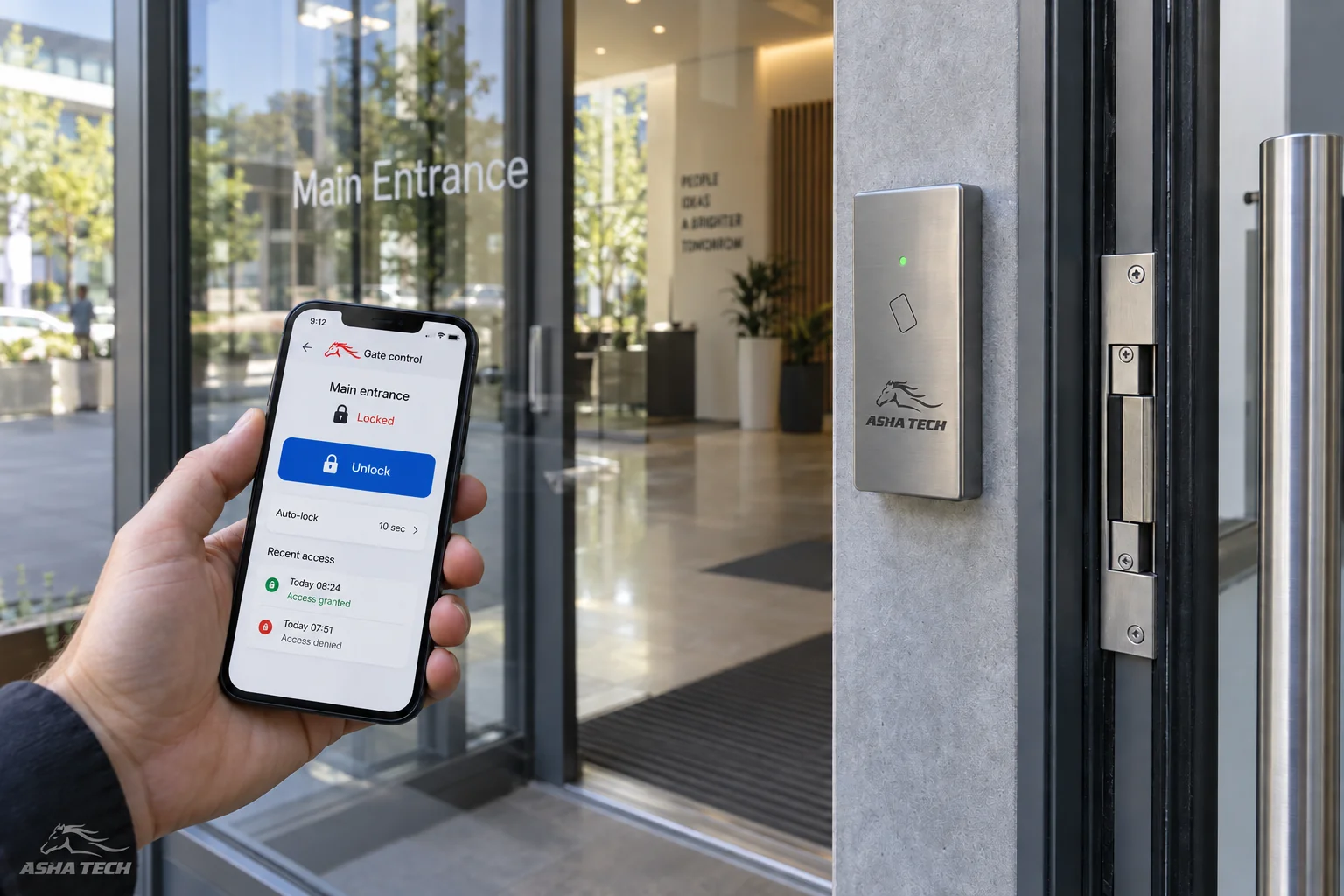
Usage example
Each step passes on the information that matters
so the next person knows what to do.
Check permissions before sending a command to the device.
Receive commands and control the agreed gate, pump or device.
Confirm from the device, review history and flag abnormal events.
Illustrative approach. Details and integrations are assessed against your actual systems and processes.
From an idea to device control
Gates, pumps or factory measurement points: we design the journey from a mobile command to device feedback, considering networks, permissions and signal loss.
Read what to prepare for IoT ↗How we work with you
Design with the people who will use the system, from the first conversation through to launch readiness.
Review today's processes, problems and desired outcomes.
Try the screens and user journey before agreeing on details.
Deliver in stages, gather feedback and test together.
Check data, train users and agree on post-delivery support.
Before we talk
We can design integrations and develop software alongside hardware. Device manufacturing, enclosures, circuitry and certification are assessed per project with the relevant partners.
It depends on the design. Devices can buffer data and resend when online, but capacity, ordering, duplicate prevention and clock drift must be specified.
Email, in-app notifications or messaging channels that permit integration can be connected. Define severity, duplicate suppression and incident ownership.
Yes, after reviewing the real environment: moisture, dust, temperature, signal, distances and machine safety before selecting devices and architecture.
Start with your idea
Have an idea or a task a system could help with? Tell our team—no technical vocabulary needed.